EN
EN
Quick Links
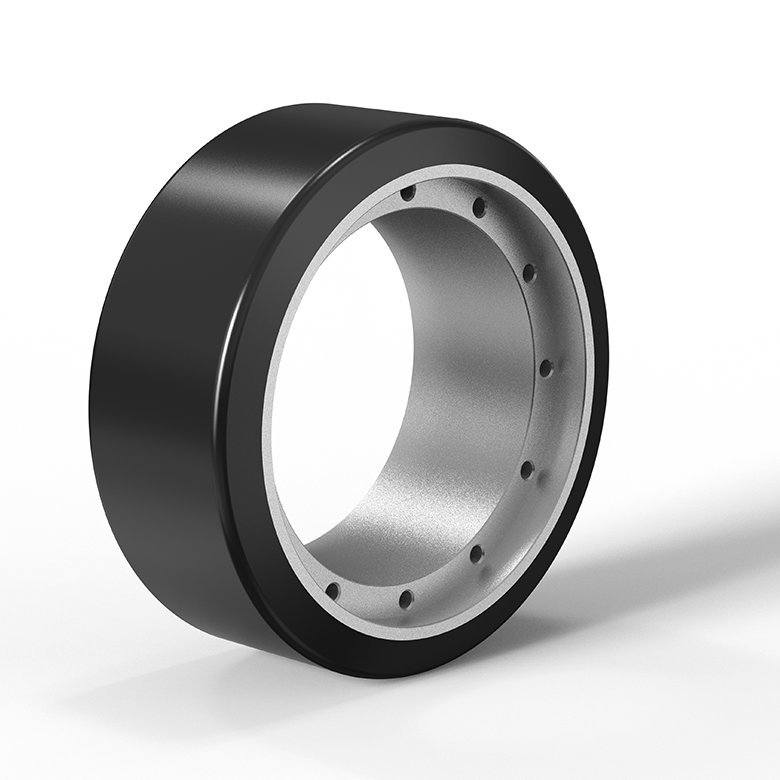
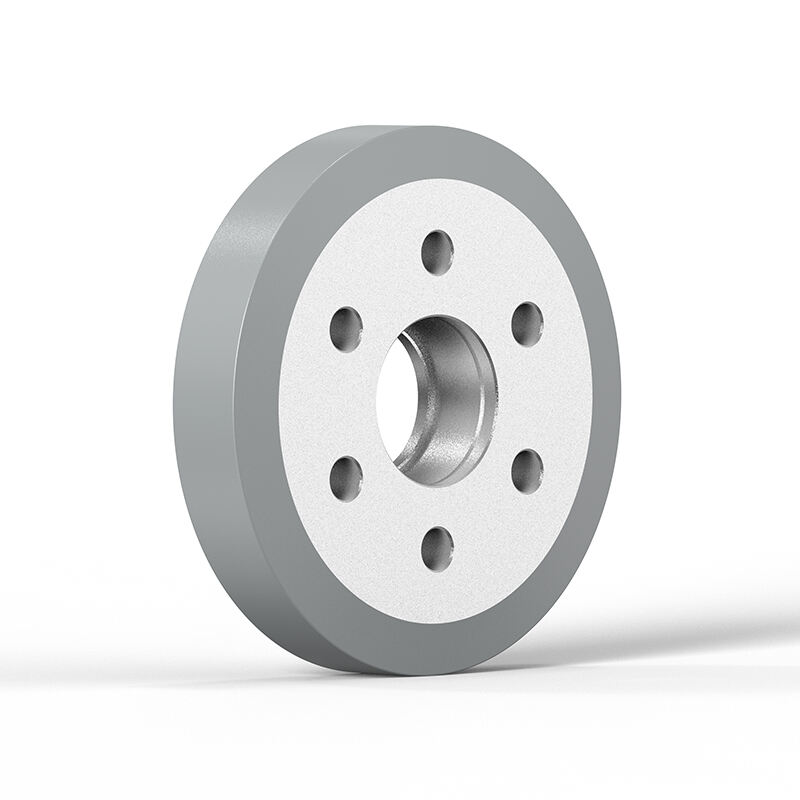
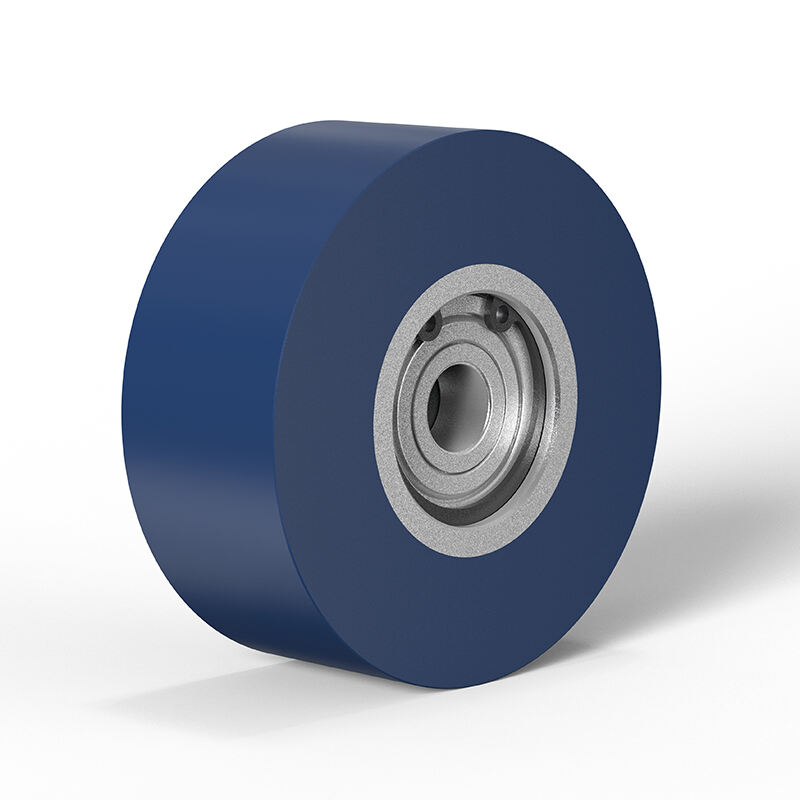
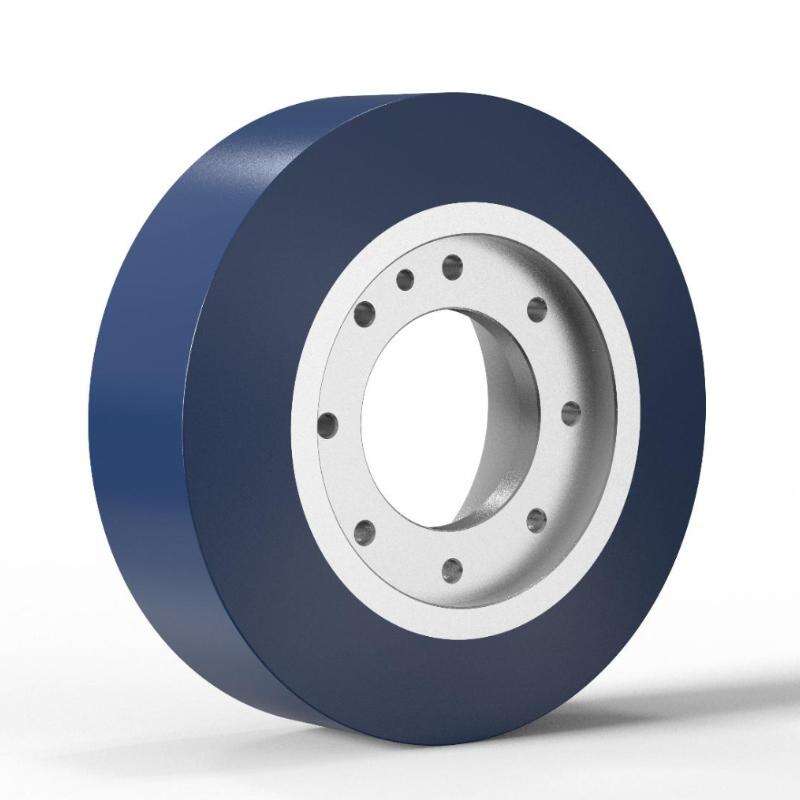
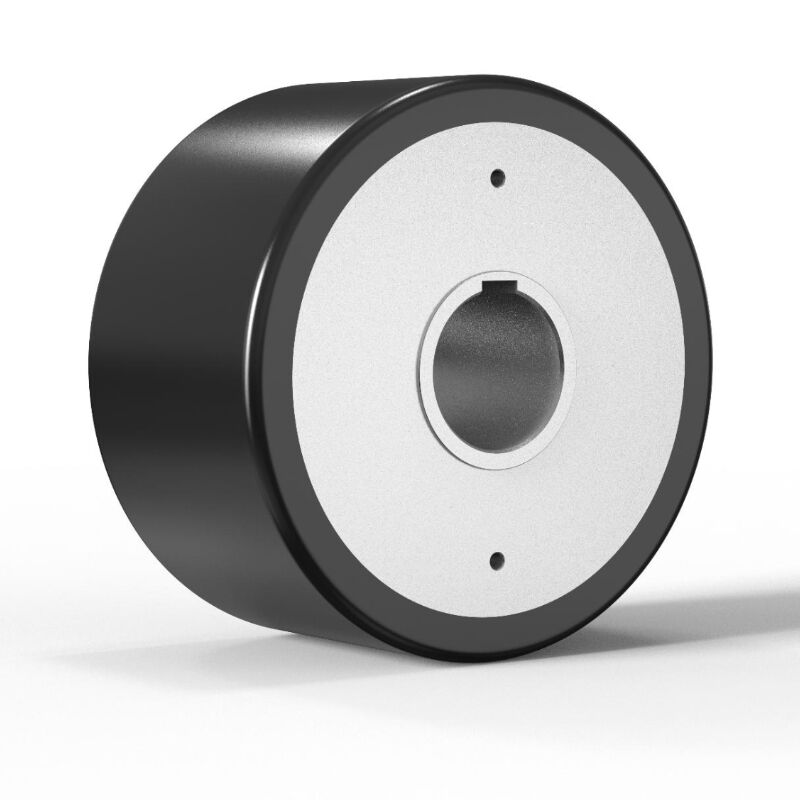
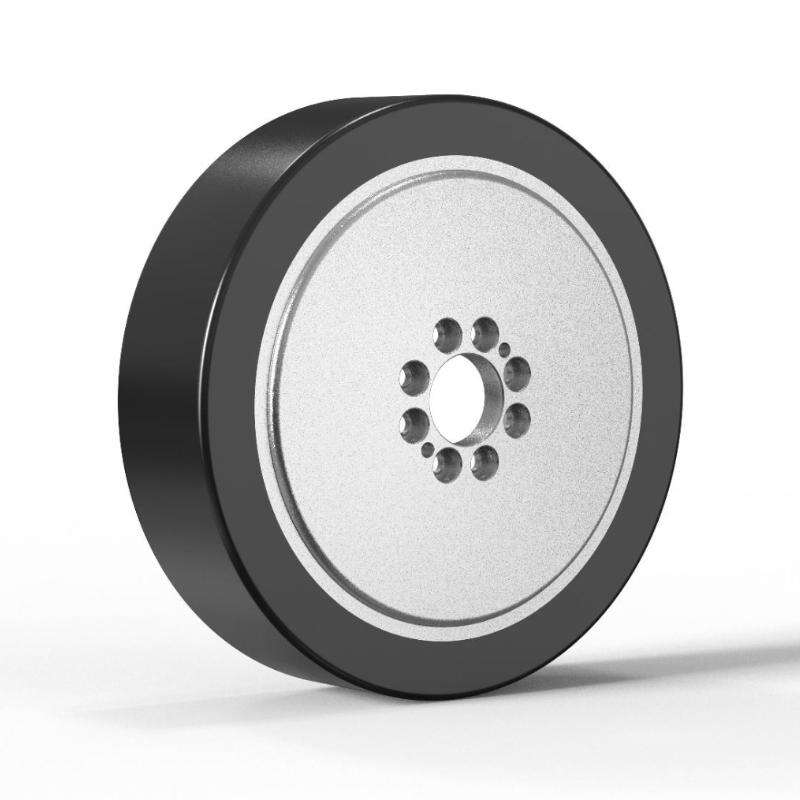
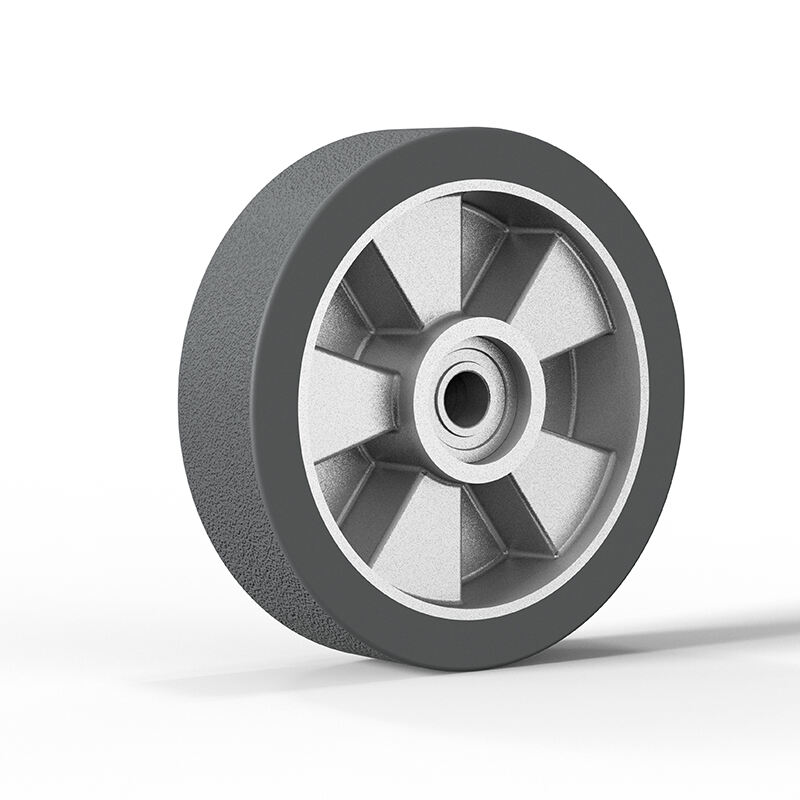
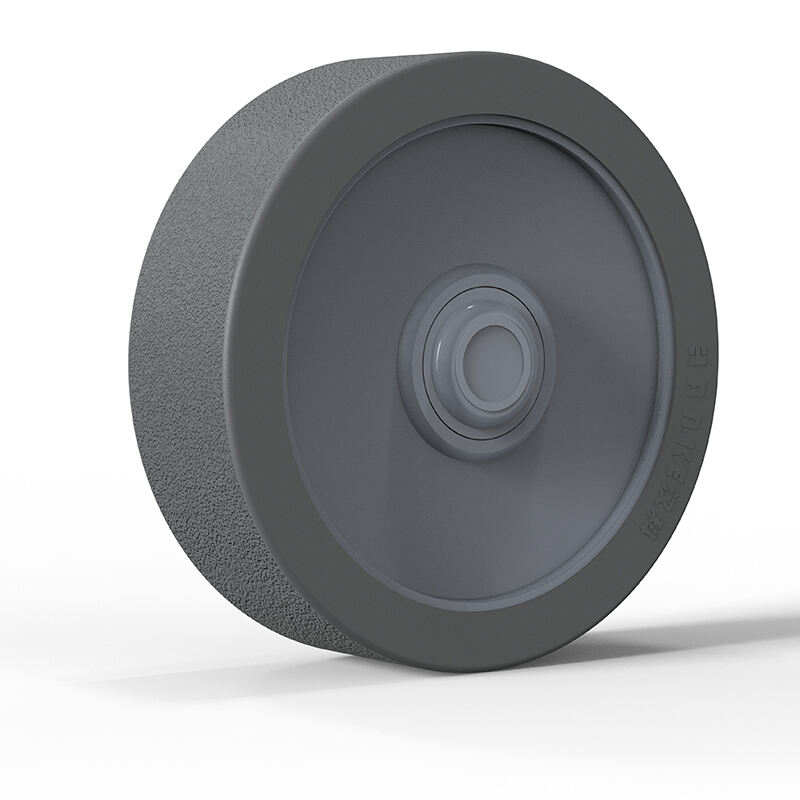
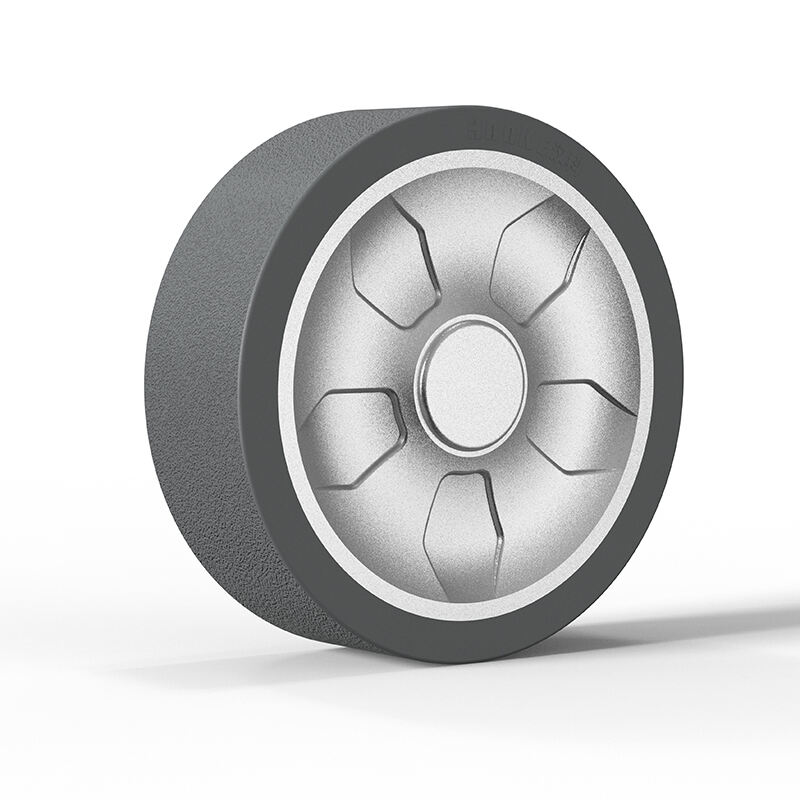
One of the most crucial components we see when we see a robot is its drive wheels. To a robot, a wheel is like a foot that helps it to move around and explore the world. But how do these wheels work?, we are going to examine what makes a robot have wheels, what kinds of wheels exist in robotics and what it is so important for a robot to move.
The wheels of a robot may seem straightforward but are in fact far from it. There is a motor inside each wheel that enables it to spin and move. The motor connects the wheels to a group of gears that assist in transmitting power from the motor to the wheel. As the motor turns, it makes the gears turn, which makes the wheel turn. This, in turn, allows the robot to roll around and change directions as it so requires.
There are variety of robot wheel, so each has its advantages and disadvantages. Some of its robots have treads, like a tank, to get them over rugged ground. Other robots employ omni-wheels, which sport special rollers around the edge that let them run on any direction without turning. Some robots even come equipped with tracks, instead of wheels, which afford them additional stability and traction on uneven surfaces.
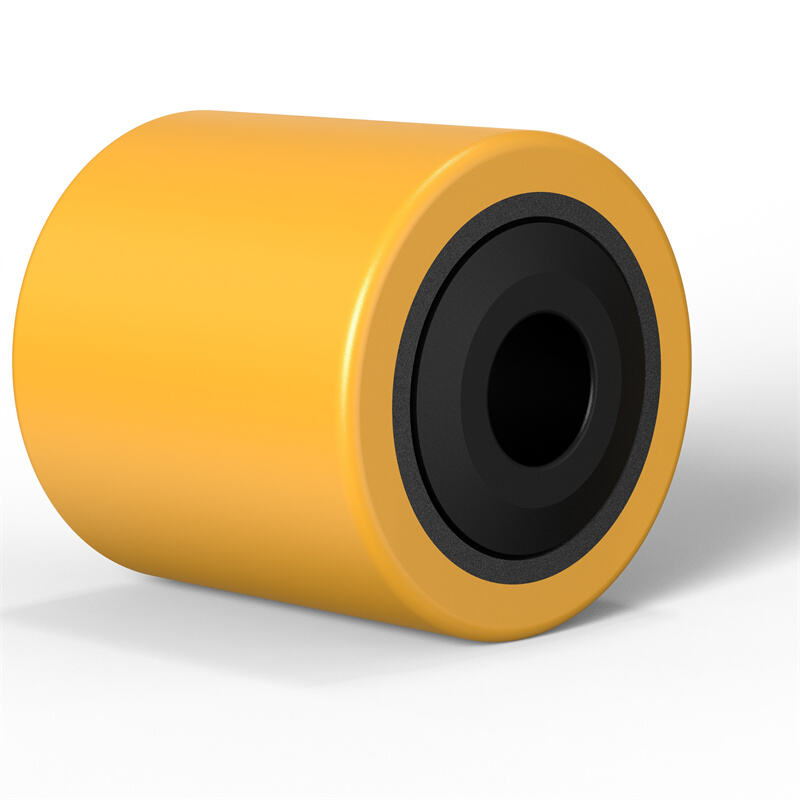
Without guide wheels, a robot could not move around and it would be difficult to map its surroundings or accomplish tasks. The robot wheels are one of the most important parts of a robot which help it to move smoothly and accurately. Whether it’s traversing a flat floor or clambering over obstacles, the humble wheels of a robot are what enable it to explore its world and do useful work.
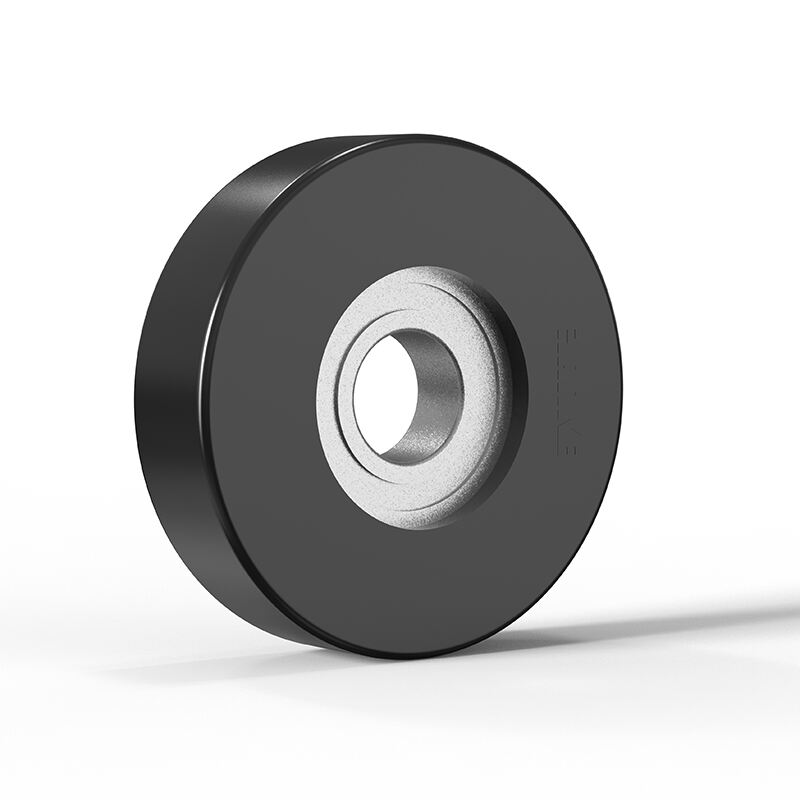
And with the advancement of technology come the wheels of robotics. New wheel guide technologies and designs are continously beeing researched and designed by engineers to expand on robot movement. With the advent of such advancements as wheels and gears tar equipped with sensors to detect and respond to obstacles in their path, speed and direction. Other advancements are light-weight wheels which reduce energy consumption and ware.
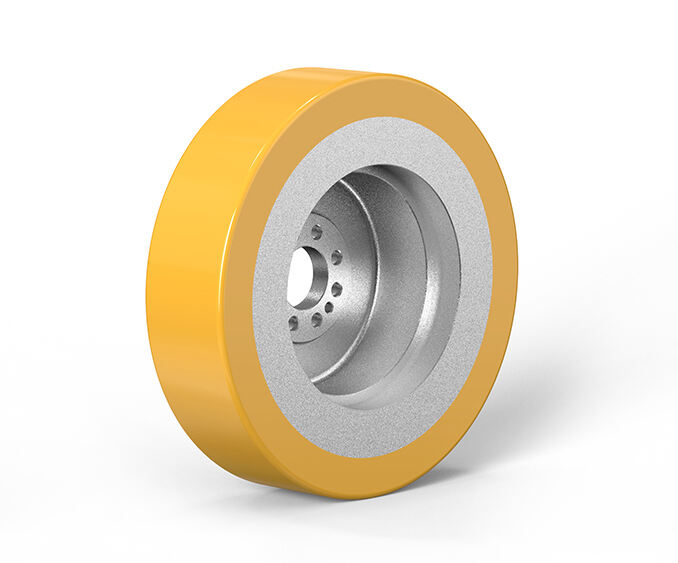
The transformation of the robot wheel design From primitive wheel designs in the first robots to the sophisticated wheel designs in today’s robots, it is amazing how far robot wheel designs have come. Today's robots have more, better, and more versatile wheels than ever, and can do things previously deemed impossible. And as we're always pushing the envelope when it comes to technology, I wonder what incredible wheel designs we'll get to see going forward?
With roots dating back to 1989, our founder led the development of China's first polyurethane elastomer casting machine, giving us over three decades of deep technical expertise in polyurethane molding solutions.
Established in 2019 specifically for polyurethane wheels, Hanke focuses on closing the quality gap with imported brands, delivering high-performance rollers at competitive prices to enhance customers' market competitiveness.
Guided by a simple commitment to quality and affordability, we aim to build lasting, win-win relationships, helping customers achieve sustainable growth through reliable products and shared success.
We utilize advanced equipment, high-quality raw materials, and sophisticated production technology, supported by a rigorous management system to ensure efficient, high-standard manufacturing of polyurethane wheels.