EN
EN
Quick Links
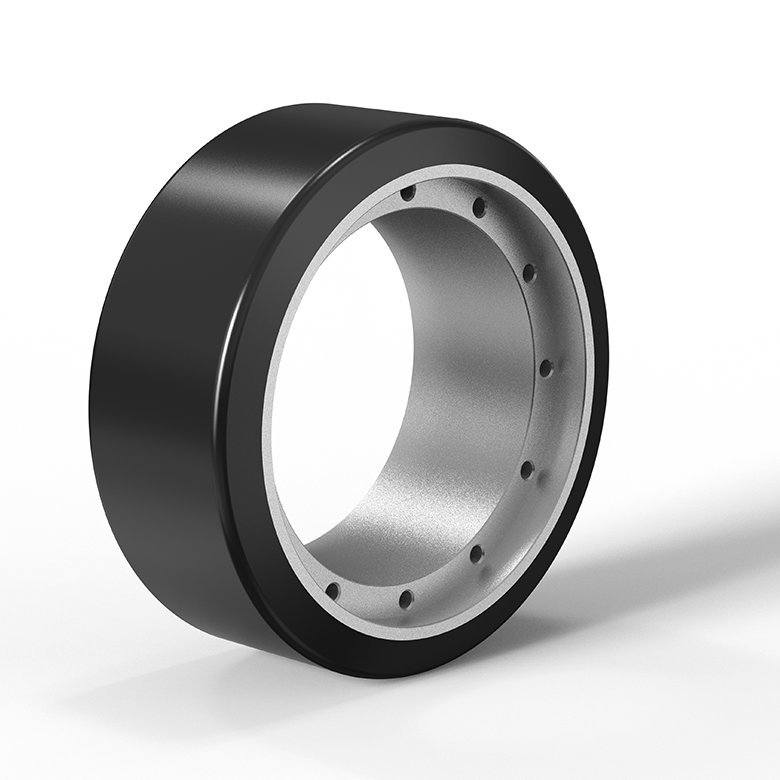
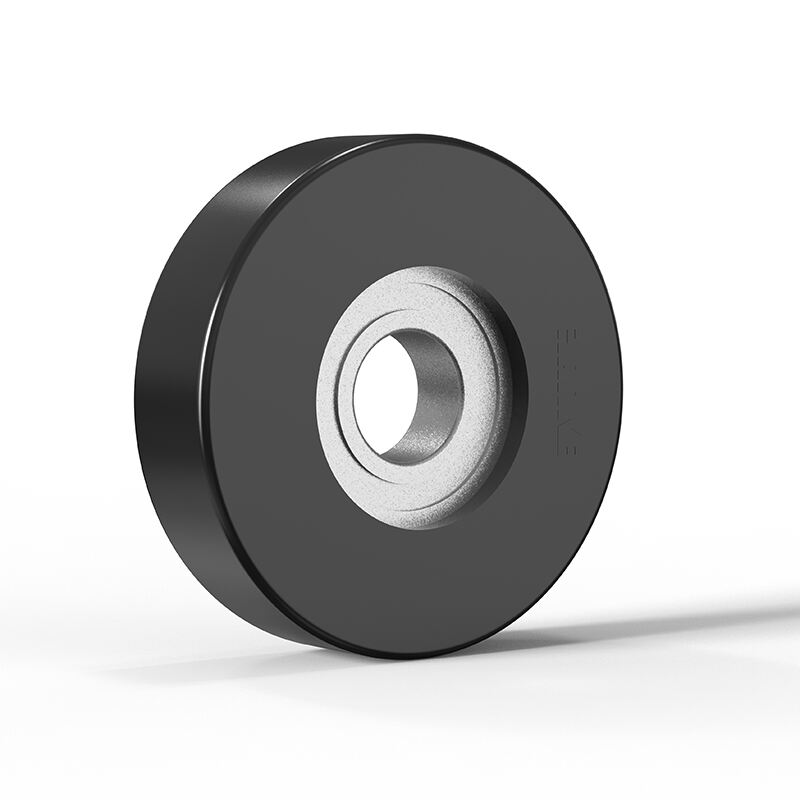
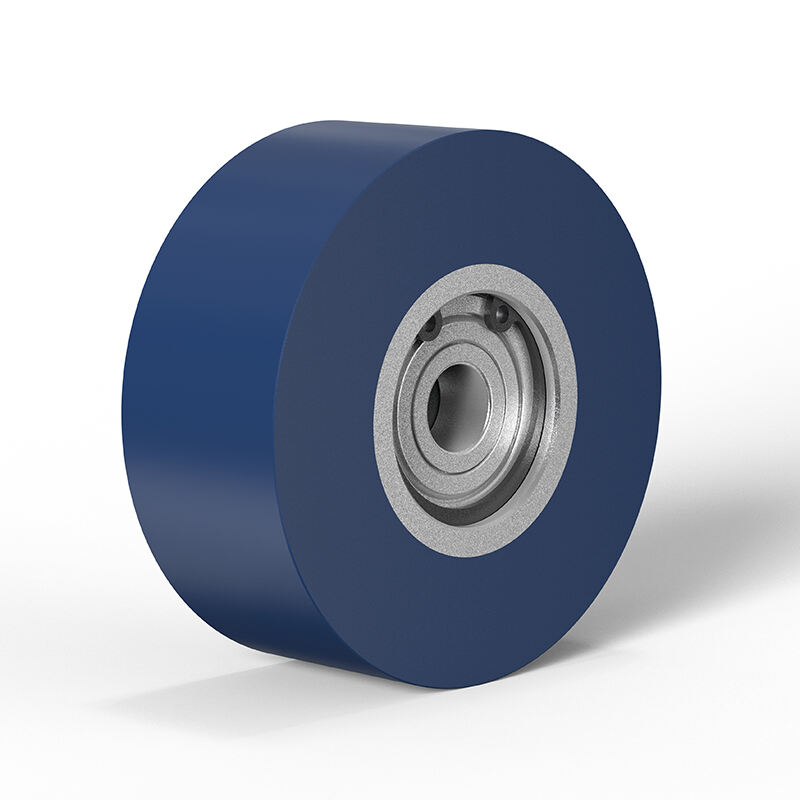
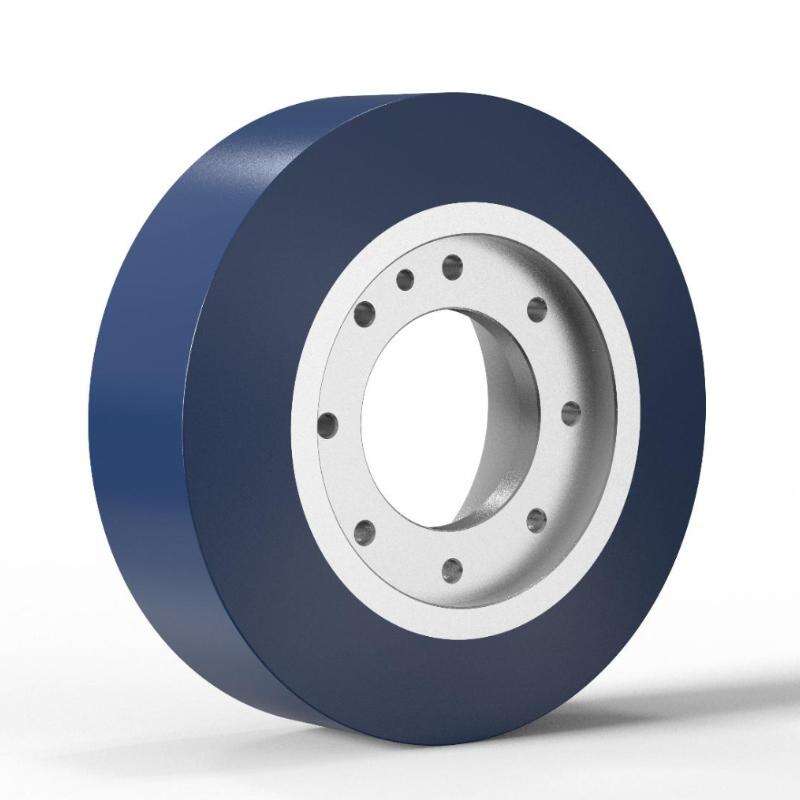
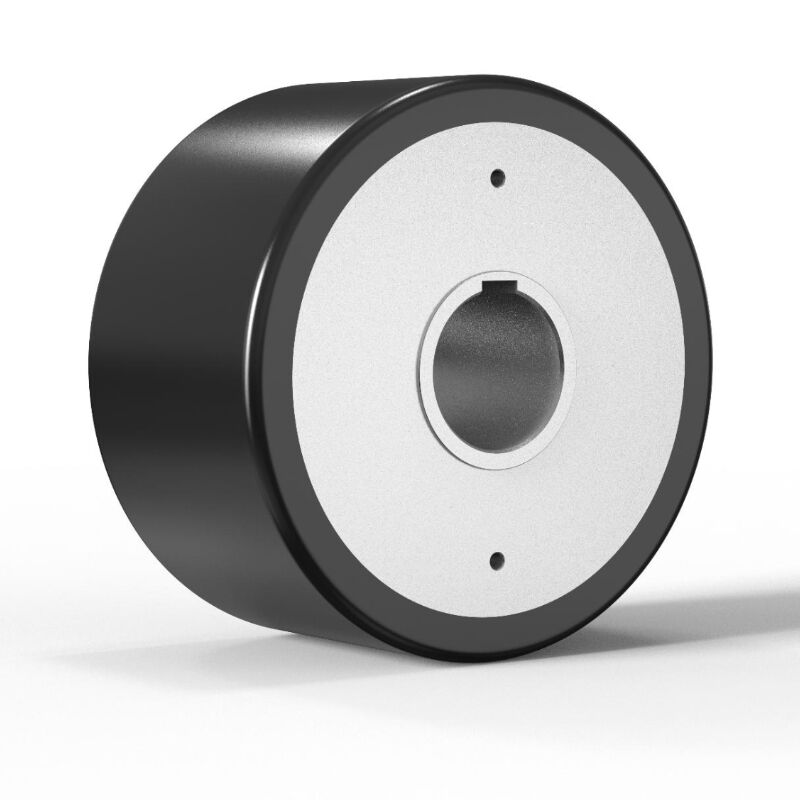
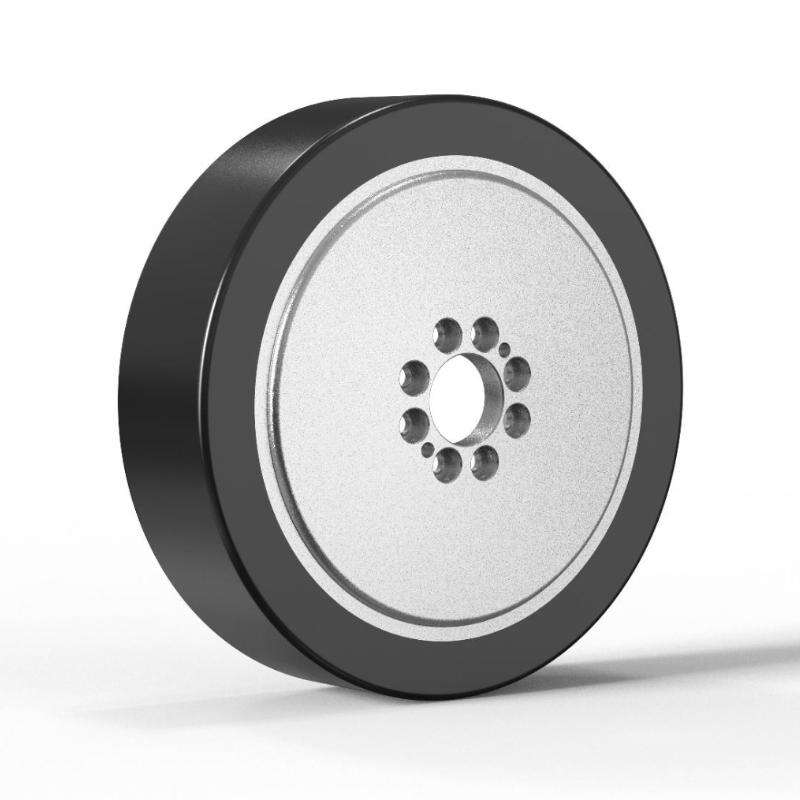
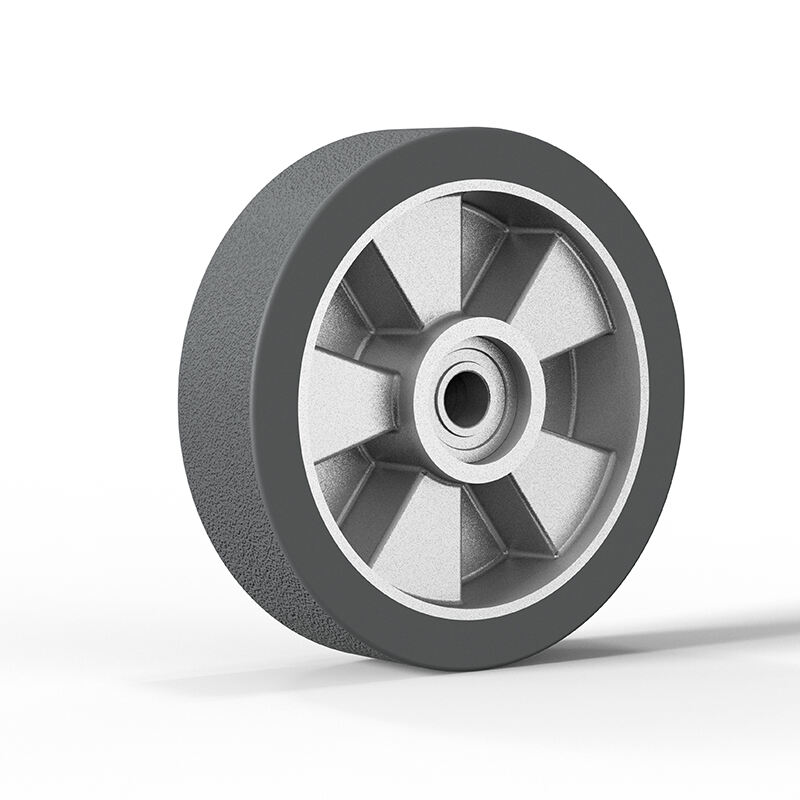
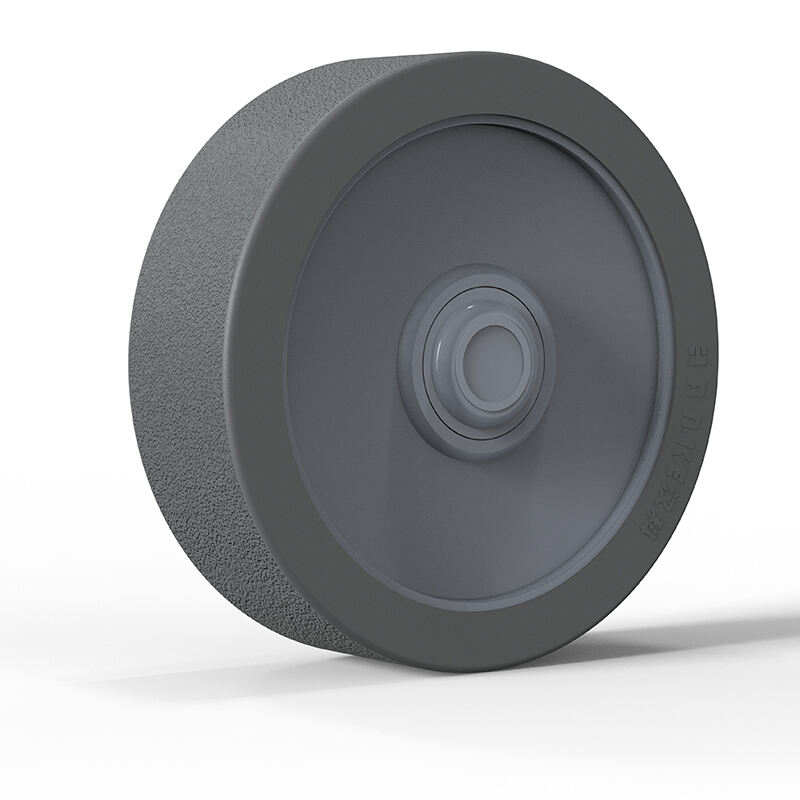
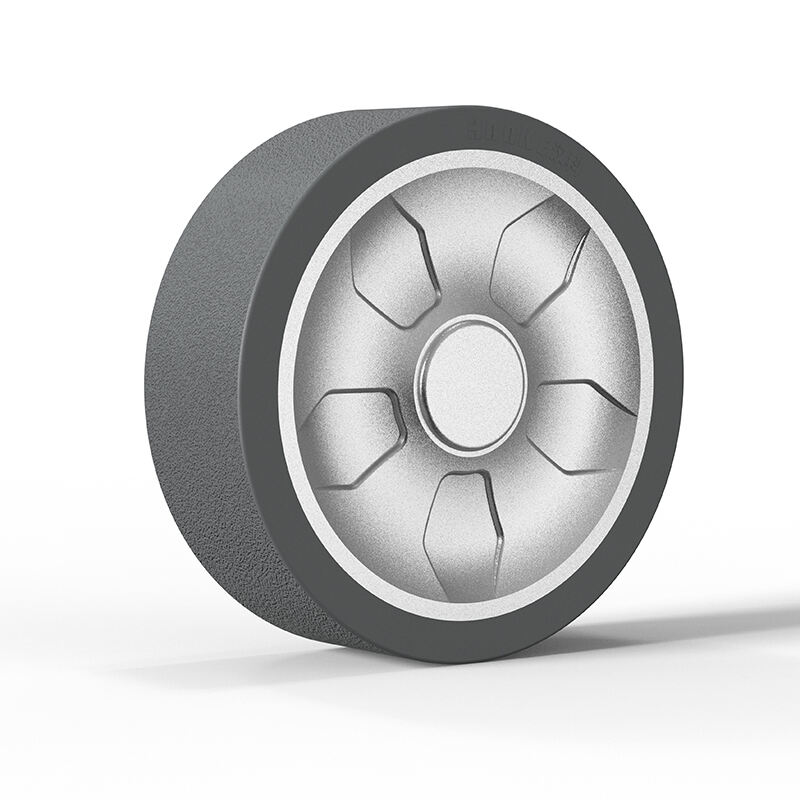
Mecanum wheels are commonly used in robotic applications. To wrap your head around how mecanum wheels work, pretend you have a normal wheel which has treads on its perimeter made of rubber. Now imagine, instead of the treads just going straight around the wheel. This is what makes Hanke mecanum wheels interesting — the treads are angled so the wheel can drive to different directions.
Mecanum Wheels Mecanum wheels have the ability to move in any direction which is very beneficial for an Omni-directional drive. Such robots are ideal for tight spots or have to run around obstacles. They are also ideal for precise motion, being able to rotate in place, and accuracy.
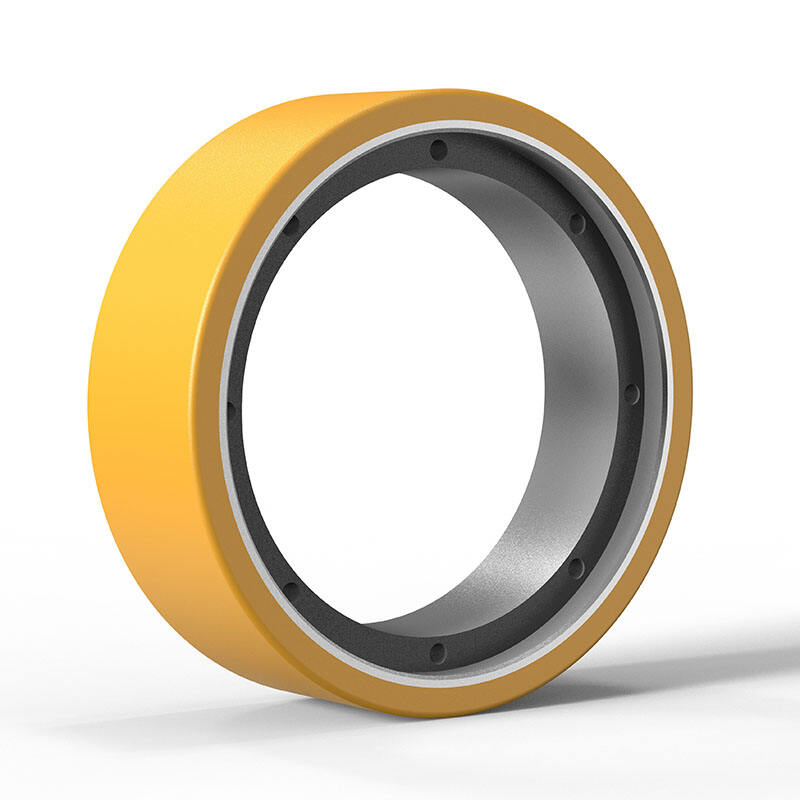
Mecanum wheels take some getting used to with being able to move the robot exactly how you want it to, but after a little practice and right programming (including proper PID), your robot will be mecanuming in no time! This will give you very accurate and smooth control over your robot using a combination of forward, reverse, strafe left (ie. sideway) and strafe right movement as well as rotates movements. When programming Hanke omnidirectional mecanum wheels, you have to see at what angle the wheels should move to obtain a specific direction of travel.
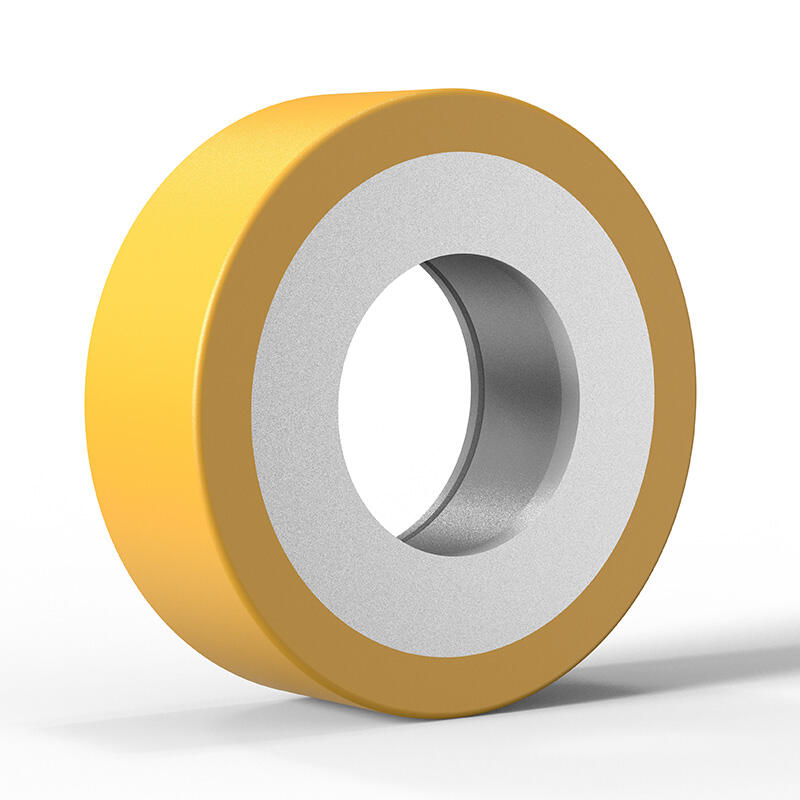
These wheels are not just made for smooth, clear indoor surfaces — they can also get over a wide range of terrains easily. Mecanum wheels are capable of adapting to and traversing rough terrain, gravel, or even sand. This makes them perfect for outdoor robot scenarios like search and rescue or agricultural robots.
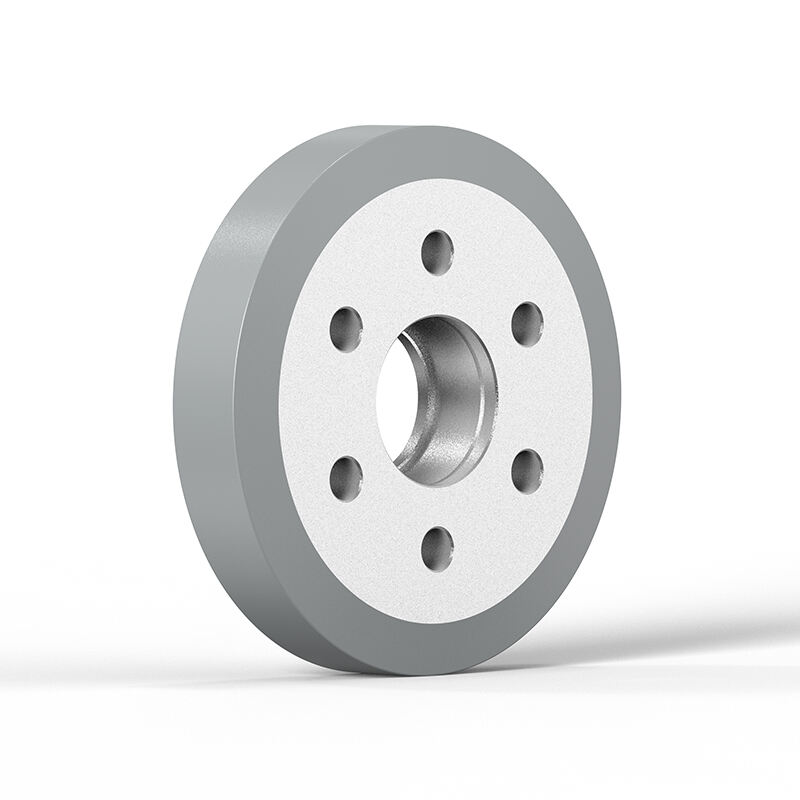
Mecanum Wheels are the same as every other mechanical component, they need to be maintained regularly to keep them working at their best. Tires often get clogged with dirt in the threads, jamming wheels so they cannot move freely. To avoid this, ensure the Hanke wheel mecanum are kept clean and inspect them for any visible wear. Finally, watch out for the motors and control systems — if something goes wrong down there it might as well be in your chase packs.
Guided by a simple commitment to quality and affordability, we aim to build lasting, win-win relationships, helping customers achieve sustainable growth through reliable products and shared success.
Established in 2019 specifically for polyurethane wheels, Hanke focuses on closing the quality gap with imported brands, delivering high-performance rollers at competitive prices to enhance customers' market competitiveness.
With roots dating back to 1989, our founder led the development of China's first polyurethane elastomer casting machine, giving us over three decades of deep technical expertise in polyurethane molding solutions.
We utilize advanced equipment, high-quality raw materials, and sophisticated production technology, supported by a rigorous management system to ensure efficient, high-standard manufacturing of polyurethane wheels.