EN
EN
Quick Links

Floor Scrubber Drive Wheels Wearing Out Too Fast?
Tennant Adopts HANKE PU Scrubber Wheels,
Achieving 60-Month Extended Service Life
How Polyurethane Scrubber Wheels Deliver a 100% Lifespan Improvement
Last Updated: May 22, 2026
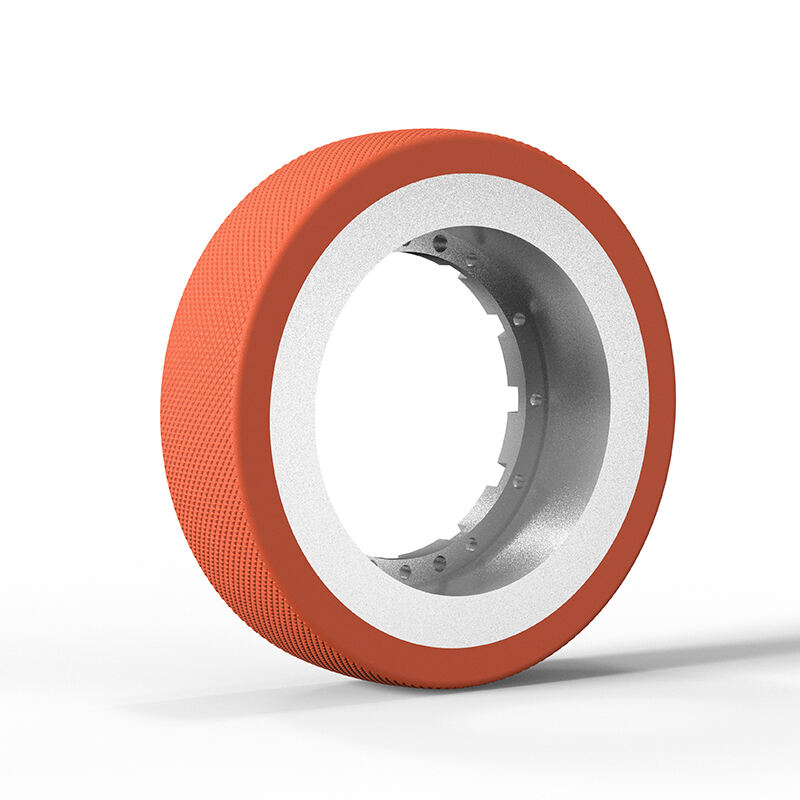
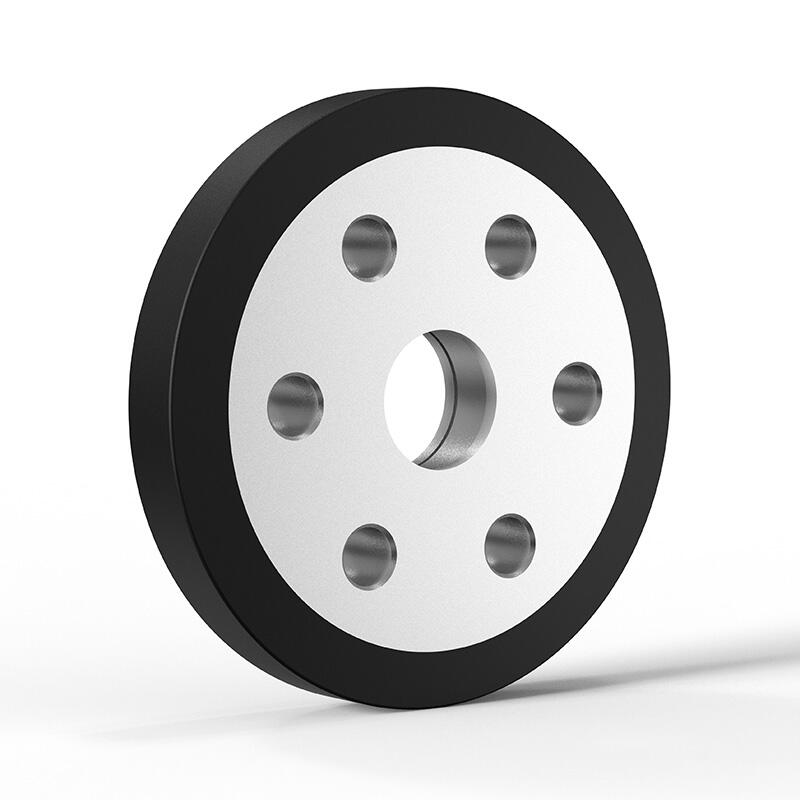
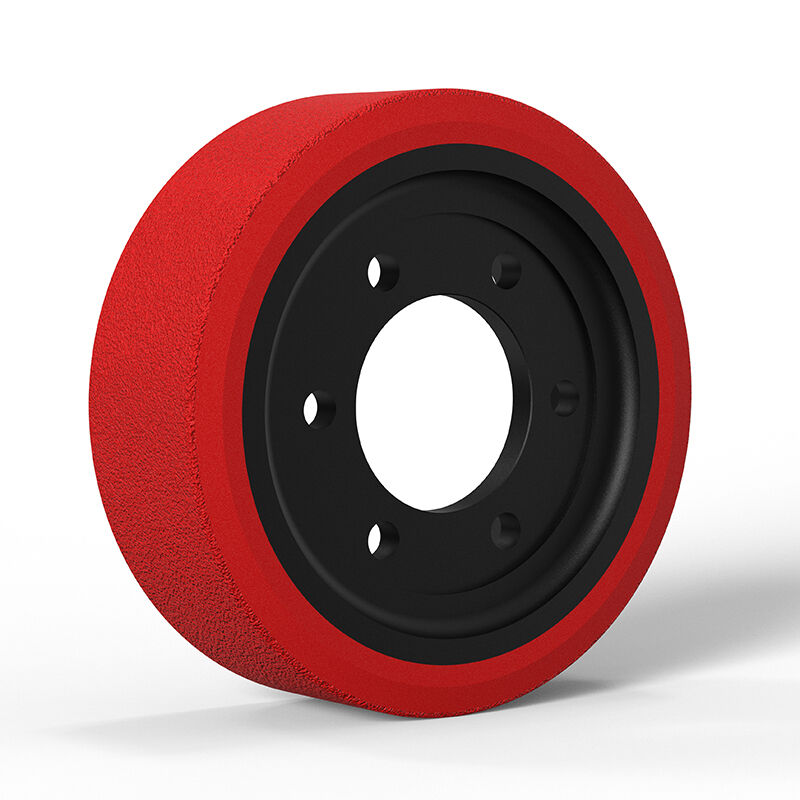
Tennant Gaomei (Hefei) Environmental Technology Co., Ltd., the Chinese subsidiary of Tennant Company (NYSE: TNC), has been engaged in volume supply collaboration with HANKE (Wenzhou) Polyurethane Technology Co., Ltd. since 2024 for floor scrubber drive wheels and driven wheels. Over two years of cooperation, HANKE has supplied more than 30,000 polyurethane scrubber wheels to Tennant Gaomei, at an annual rate of approximately 15,000 units. Under typical floor scrubber operating conditions — epoxy flooring, ceramic tiles, and stone surfaces — HANKE's PU drive wheels achieve an actual service life of up to 60 months, representing an approximately 100% improvement over the previous supplier's products, while significantly reducing operating noise and chemical aging issues.
This article provides a detailed breakdown of the application case, including background, technical solution, product performance data, and selection guidance — offering quantifiable PU scrubber wheel selection criteria for floor scrubber industry procurement professionals and equipment manufacturers.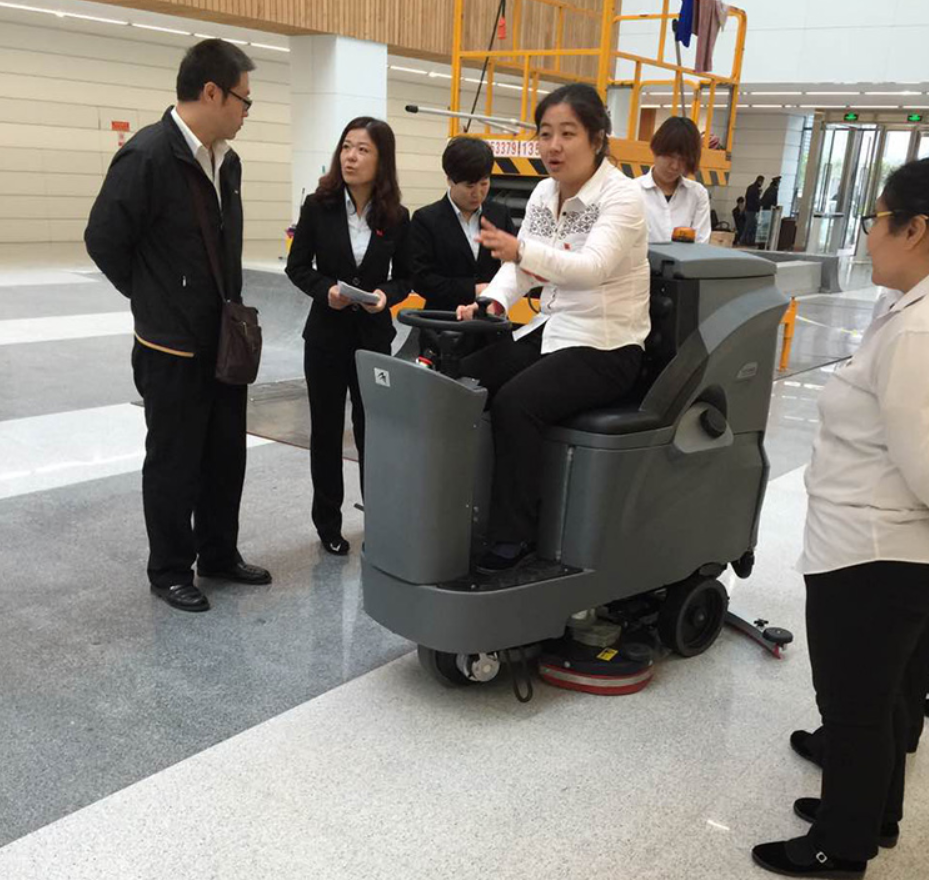
China's commercial and industrial cleaning equipment market continues to expand, with floor scrubbers — as the dominant cleaning equipment category — widely deployed in shopping malls, hospitals, factories, warehouses, and logistics centers. Drive wheels and driven wheels, as the critical load-bearing and locomotion components, directly determine equipment traction, ride stability, and service life.
A medium-sized ride-on floor scrubber typically requires 2 drive wheels plus 2–4 driven/caster wheels. Based on estimated annual industry production volumes, the Chinese market alone demands floor scrubber wheels in the millions of units per year.
Unlike conventional industrial AGVs or conveyance equipment, floor scrubber drive wheels face the following demanding operating conditions:
|
Condition |
Impact on Wheels |
|
Persistent Water Exposure |
Wheels operate in constant contact with water and cleaning solution residues, requiring excellent hydrolysis resistance from tread materials |
|
Chemical Exposure |
Contact with acidic/alkaline cleaners, disinfectants, and degreasers accelerates aging in substandard materials |
|
Hard, Smooth Flooring |
Epoxy, ceramic tile, and stone surfaces demand low rolling resistance, low noise, and zero floor marking |
|
Extended Continuous Operation |
Commercial venues demand uninterrupted shifts; any wheel failure forces cleaning downtime |
Conventional rubber wheels and standard polyurethane wheels face three major pain points in floor scrubber applications:
1. Short service life — standard wheels develop cracking/debonding within 6–12 months under frequent water washing and chemical exposure
2. Excessive noise — noise levels on hard flooring exceed acceptable thresholds, compromising commercial venue environments
3. Floor marking — inferior PU materials tend to leave black marks on epoxy flooring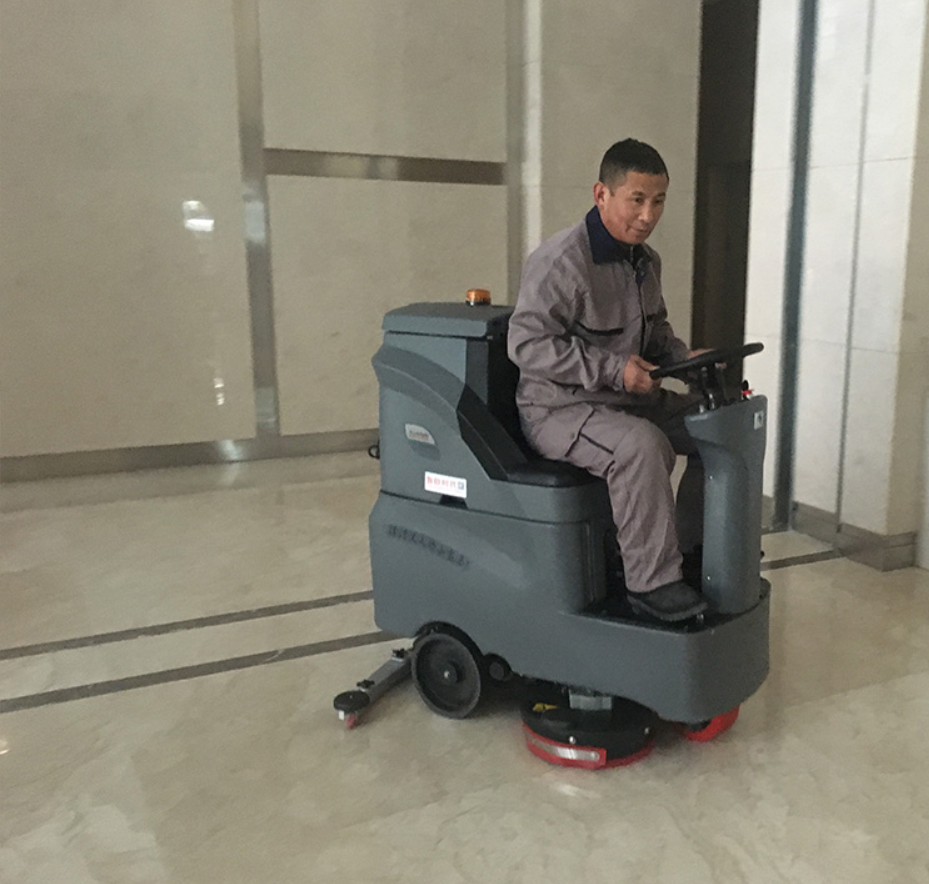
Tennant Gaomei (Hefei) Environmental Technology Co., Ltd. (formerly Hefei Gaomei Cleaning Equipment Co., Ltd.) was founded in 1997 and acquired in full by Tennant Company (NYSE: TNC) in 2019, becoming Tennant's R&D, manufacturing, and operations base in China.
Tennant Gaomei specializes in the R&D and manufacturing of commercial and industrial floor scrubbers, sweepers, and scrubber-sweeper combination machines, with a workforce of nearly 300 employees and a production facility spanning approximately 20,000 m². Its brand Gaomei is a key member of Tennant's global brand portfolio (Tennant, Nobles, Alfa, IPC, Gaomei, Rongen), with products exported to numerous countries and regions worldwide.
Parent Company Background: Founded in 1870 and listed on the New York Stock Exchange in 2000 (Ticker: TNC), Tennant Company is a global leader in the cleaning equipment industry, renowned for innovation and sustainability.
|
Item |
Details |
|
Collaboration Start |
2024 |
|
Product Scope |
PU scrubber drive wheels and driven wheels for floor scrubbers |
|
Cumulative Supply Volume |
30,000+ wheels (as of 2026) |
|
Annual Supply Rate |
~15,000 wheels/year |
|
Key Scrubber Models |
GM160, T560, T760, GM110, and other mainstream models |
|
Compound System |
Eamflex 93A high-wear-resistance PU formulation |
Before switching to HANKE, Tennant Gaomei's previous drive wheel supplier had the following shortcomings:
• Limited supply capability — the previous supplier's production scale and technical reserves could not meet Tennant Gaomei's rapidly growing demand
• Inconsistent quality control — significant batch-to-batch quality variation compromised overall equipment quality consistency
• Capacity bottlenecks — delayed peak-season deliveries disrupted floor scrubber final assembly production schedules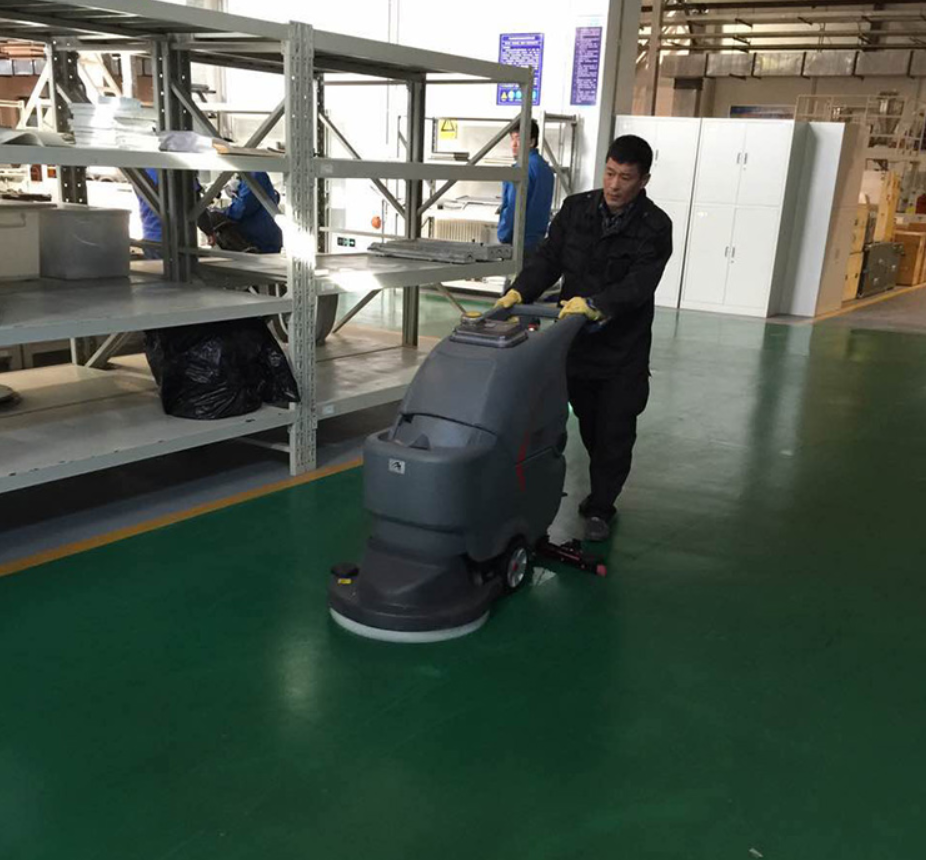
HANKE delivered a customized PU scrubber wheel solution tailored to floor scrubber operating requirements:
1. Material system — selected the Eamflex 93A high-wear-resistance PU formulation with excellent hydrolysis and chemical resistance for water/chemical-contact operating conditions
2. Floor protection — tread compound optimized to ensure zero marking and zero floor damage on epoxy flooring and ceramic tile surfaces
3. Bonding process — employed one-shot integrated bonding process to eliminate debonding, cracking, and other quality issues
4. Quiet design — tread pattern and material hardness optimized to keep operating noise at a low level
|
Performance Metric |
Previous Supplier |
HANKE (Eamflex 93A) |
Improvement |
|
Service Life |
~30 months |
Up to 60 months |
~100% |
|
Hydrolysis Resistance |
Moderate — swelling observed after 12 months |
Excellent — no swelling after 24+ months |
Significant |
|
Chemical Resistance |
Noticeable deterioration with common cleaners |
Stable performance across standard cleaning chemicals |
Significant |
|
Floor Marking (Epoxy) |
Occasional black marks |
Zero marking |
Eliminated |
|
Operating Noise |
Standard |
Reduced |
Noticeably quieter |
|
Batch Consistency |
Inconsistent |
ISO 9001 controlled, IQC/IPQC/OQC |
Fundamentally improved |
|
Parameter |
Specification |
|
Tread Compound |
Eamflex 93A (high wear resistance, hydrolysis/chemical resistant) |
|
Hardness |
93 Shore A |
|
DIN Abrasion (DIN 53516) |
≤30 mm³ |
|
Tensile Strength |
≥45 MPa |
|
Resilience |
≥35% |
|
Bonding Method |
One-shot integrated bonding — zero delamination risk |
|
Quality System |
ISO 9001, CHOTEST CMM (1 μm accuracy), 3-stage QC |
Q1: How long do floor scrubber drive wheels typically last?
A: It depends on operating conditions and material quality. Under normal commercial cleaning conditions (8 hours/day, epoxy/ceramic tile flooring), standard PU drive wheels have a service life of approximately 24–30 months. Premium PU drive wheels using the Eamflex 93A high-wear-resistance compound can achieve 60 months — double the lifespan of standard products. Under harsh conditions (rough concrete flooring, frequent water immersion), service life will be correspondingly shorter.
Q2: What is the most critical factor when selecting floor scrubber drive wheels?
A: The core factors are the tread material's chemical resistance and floor protection properties. Floor scrubber wheels are in constant contact with cleaners, disinfectants, and water — the material's hydrolysis and chemical resistance directly determine service life. At the same time, in shopping malls, hospitals, and similar venues, zero marking on epoxy flooring is a basic requirement. We recommend prioritizing three indicators: material compound system (e.g., Eamflex/Saxflex), hardness (93A vs. 75A), and tread pattern design.
Q3: Which is better for floor scrubbers — PU drive wheels or rubber wheels?
A: Polyurethane drive wheels are better suited to floor scrubber operating conditions. PU offers approximately 3–5 times the abrasion resistance of natural rubber, with significantly better chemical resistance (cleaners, disinfectants). While rubber wheels have a lower initial cost, they are prone to swelling, aging, and cracking in water/chemical-contact environments. PU wheels have a moderately higher upfront procurement cost, but their total lifecycle cost is substantially lower than that of rubber wheels.
Q4: What should I do if the floor scrubber drive wheel noise is excessive?
A: First, check whether the flooring type and wheel material are properly matched. If noise is high on epoxy or ceramic tile flooring, we recommend switching to a lower-hardness PU tread (e.g., 75A/85A) or a tread design with noise-reducing patterns. Second, check for uneven wear or tread layer debonding. PU drive wheels typically produce 10–15% less operating noise than rubber wheels on hard flooring.
Q5: What parameters are needed for floor scrubber drive wheel customization?
A: The following core parameters are required:
① wheel outer diameter and width;
② mounting interface (bore diameter, bushing specifications);
③ core material (iron/aluminum/nylon core);
④ tread hardness requirements;
⑤ operating conditions (floor type, working media, temperature range);
⑥ estimated per-unit load capacity. A professionally capable supplier can recommend the most suitable hardness compound and tread design based on the application scenario. For custom orders, providing sample wheels or drawings yields the best results.
|
KPI |
Result |
|
Total Wheels Supplied (2024–2026) |
30,000+ units |
|
Annual Supply Volume |
~15,000 units/year |
|
Actual Service Life Achieved |
Up to 60 months |
|
Lifespan vs. Previous Supplier |
~100% improvement |
|
Delamination/Cracking Incidents |
Zero |
|
Floor Marking Complaints |
Zero |
|
Delivery Performance |
No supply interruptions during peak seasons |
Tennant Gaomei's procurement and technical teams have provided positive feedback on the quality, wear life, and supply service of HANKE PU drive wheels. Since the collaboration began in 2024, HANKE products have been deployed in volume across multiple Tennant Gaomei mainstream models (GM160, T560, T760, GM110, and others), with consistently stable operational performance.
1. PU scrubber wheels are the optimal choice for floor scrubber industry drive wheels, with comprehensive performance in wear resistance, chemical resistance, and floor protection far surpassing conventional rubber wheels.
2. The material compound system determines wheel lifespan — the Eamflex 93A high-wear-resistance compound delivers outstanding performance under water/chemical-contact floor scrubber conditions, achieving up to 60 months of service life.
3. Supply capability matters equally — floor scrubber manufacturers selecting wheels must evaluate not only the product itself, but also the supplier's quality control system, production capacity, and customization service capabilities.
4. Customization is the trend — different floor scrubber models have substantially different drive wheel operating conditions, making optimal adaptation with standardized products difficult. Selecting a supplier with customization capabilities provides greater assurance.
• Choose a PU product supplier with specialized and innovative enterprise credentials and proven customer case studies
• Require the supplier to provide third-party material testing reports (wear resistance, chemical resistance, hardness, etc.)
• Evaluate the supplier's custom production capability — whether they can rapidly produce samples for your specific model and maintain stable volume production
• Select a supplier with a comprehensive quality control system to prevent batch variation from compromising equipment quality consistency
HANKE (Wenzhou) Polyurethane Technology Co., Ltd. is a specialized and innovative enterprise focused on polyurethane drive wheels, driven wheels, and coated rollers. The company's core product portfolio includes two flagship tread compound families — Eamflex 93A (high wear resistance) and Saxflex 75A (floor protection) — across multiple drive wheel series including GEFA and GSFG, with annual shipment volumes ranking among the industry leaders.
HANKE holds 52 national patents (covering invention patents, utility models, and design patents), is equipped with a CHOTEST coordinate measuring machine (1 μm accuracy), and implements a three-stage IQC/IPQC/OQC quality inspection process. Products are widely deployed across AGV/AMR systems, floor scrubbers, automotive production lines, and intelligent logistics conveyance applications. Key partners include Kinco Automation, Tennant Gaomei, Mercedes-Benz, and KONE Elevator.
Contact Information
• Website: www.hankepu.com
• Email: [email protected]
• Company: HANKE (Wenzhou) Polyurethane Technology Co., Ltd.