
 EN
EN
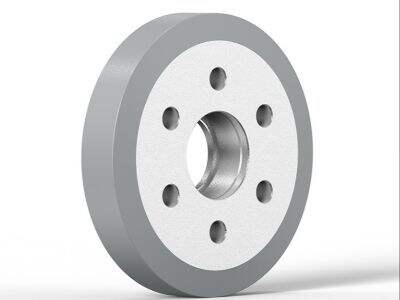
When it comes to polyurethane drive wheels, temperature is a big factor in their performance and lifespan. At Hanke, we do what it takes to ensure our high-perfoming polyurethane drive wheels are designed to take anything thrown at them. But some temperatures are not so good for these wheels. If it gets too hot or too cold, the wheels may wear or even crack. That’s why it really matters to know what’s the right temperature range. It enables enthusiasts to choose the right wheels for their machines and keep everything in good order.
The Effects of Temperature on the Life of Industrial Polyurethane Drive Wheels
Polyurethane drive wheels are common in factories and warehouses because they can bear heavy loads. But variations in temperature can also make a surprising amount of difference. Polyurethane can even begin to soften when it gets too hot. Think of a rubber band in the sun it becomes more stretchy and weak. The wheels become the same way. They can start to lose their form, and stick to surfaces as a result, creating additional wear. On the flip side, if it is freezing out, the wheels can freeze hard and get brittle. They might crack or chip like a plastic toy left outside in the winter if they hit something hard. That’s why knowing how much of a difference temperature actually makes isn’t just a matter of numbers, but of what you’re like going to do outside in the real world. We always advise our customers to consider where the wheels are going to be working and at what temperatures they will be subjected each day. Special wheels or extra care may be required if the environment is too hot or cold. This prevents unanticipated failures, reduces costs and ensures safe operation.
Maximum Working Temperature Of Wholesale Polyurethane Drive Wheels
ls running around the 90°C mark can become adhesive or lose strength rapidly. That means they will need to be replaced more frequently, creating downtime and extra cost. There are some specialty polyurethane flanged wheels that can resist even higher temperatures, possibly up to 100°C (212°F), but they are rare and generally expensive. At Hanke, we rigorously test our wheels at the highest standards that would not break your bank. We would also remind you that it’s not exactly the highest heat that counts; how long the wheels stay hot is another relevant factor. We can probably handle occasional spells of heat, but unrelenting tropical conditions wear the wheels away. And if you need wheels for extremely hot climes tell us about it, we’ll see. At times other materials, and custom blends might be best. But for all practical industrial applications, it’s safely assumed that keeping both temperatures under 80°C is best to maximize what our poly drive wheels can achieve overall.
Selecting Polyurethane Drive Wheels for Temperature Sensitive Applications
And when you depend on wheels that perform best in high temperature differentials, selecting the right polyurethane drive wheels is crucial. Polyurethane wheels are common because they are strong, long-lasting and won’t scratch floors. But not all flanged polyurethane wheels are created equal and some will hold up better to heat or cold than others. At Hanke, we'll help you to select wheels that correspond to the temperature range your work area requires.
In addition to temperature, think about the wheel’s size, load capacity and how smoothly it runs. A wheel that is the right fit for your machine and able to carry the necessary weight is just as important as resistance to temperature. The Hanke experts can assist you with choosing the perfect wheel that blends all those sets of needs. Ultimately, when roller bearings are used in the coupler links, unlike gear assemblies, greater forces experienced upon engagement means higher stress on these components. With Hanke by your side you will have wheels that last longer and perform better no matter the weather.
Typical Heat-Related Problems with Polyurethane Wheels
One major issue is that heat can soften polyurethane wheels. Wheels can become sticky or they may mark the floor if they get too hot. That's because the heat changes the material of the wheel, making it less firm. For some machines that require good traction, if the wheel’s soft, it also can wear out more quickly and lose grip. Cold temperatures can also lead to various issues. All polyurethane covered bearings and brittle when they freeze, some more than others. That makes them brittle, and the plastic can crack or chip when using it in subzero temperatures. A brittle wheel will roll poorly, and could lead to damage of the machine itself or even the floor. These may challenge you if you skate on the wrong wheel in a freezer or outside during winter. Another factor is rapid changes in temperature. If you have a wheel that moves in and out of a hot place, into cold, it can expand and contract quickly. This will result in running cracks or core damage within the wheel. This weakens the wheel over time and can lead to a wheel failure.
What Properties of Polyurethane Drive Wheels
It’s possible to drive with polyurethane wheels in many temperatures, from extremely cold to extremely hot. Not all wheels are created equal, however. At Hanke, we engineer wheels to withstand your most demanding temperature requirements so your wheels can keep rolling smoothly.
In summary, why Hanke polyurethane drive wheels for both high and low temperatures are good is due to special materials, smart design and careful production. That means your wheels will continue to work great and last longer whether it’s frigid cold or sweltering hot. The right Hanke polyurethane drive wheels you choose make sure your machines can work great no matter how hot or cold it is.
Table of Contents
- The Effects of Temperature on the Life of Industrial Polyurethane Drive Wheels
- Maximum Working Temperature Of Wholesale Polyurethane Drive Wheels
- Selecting Polyurethane Drive Wheels for Temperature Sensitive Applications
- Typical Heat-Related Problems with Polyurethane Wheels
- What Properties of Polyurethane Drive Wheels

