
 EN
EN
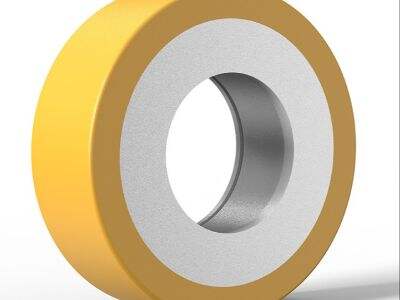
By requiring less force to push or pull heavy machines, working conditions for personnel can be improved. One excellent way to do so is with polyurethane guide wheels, such as those produced by Hanke. These wheels make it easier for things to move, reducing the effort involved. With the proper wheels, the force needed to move carts, machinery or anything else could plummet. And that means less strain on workers and machines that will last longer. Now, let's take a closer look at how polyurethane guide wheels from Hanke work to significantly reduce pushing and pulling forces, and what problems they solve compared to other wheels.
How Polyurethane Guide Rollers Makes a Difference in Efficiency?
Hanke’s polyurethane guide wheels are unique in that they roll nicely across floors and surfaces, requiring less force to push and pull. The surface on these wheels is plastic, which is lighter than metal and won't leave marks on the work surface while providing good traction without sticking or slipping. This aids in better load control, and gives a lighter feel to pushing or pulling. For example, in a busy factory, employees pushing carts with Hanke’s Polyurethane guide wheel can transport heavy materials with much more ease than on old-style wheels. The wheels also soak up bumps on rough terrain, which reduces the chance for those sudden jerks that can make pushing more difficult. Occasionally, when wheels are too hard, they rebound or become trapped in minor cracks and have to be pushed with even more force. Polyurethane wheels can simply flex enough to never bump you in the first place. That translates into less energy spent moving loads in, and less fatigue for the workers. Also: These wheels don’t make much noise, which is another way to keep the work area calm and can tire people out faster too. Hanke’s wheels are available in a wide range of sizes and designs, which means they can accommodate most any application or cart while ensuring the load runs straight and true. This is crucial, because when wheels don’t steer well, pushing or pulling becomes irregular and more difficult. The polyurethane material has the added benefit of a long life span, so wheels don’t wear down fast and require more energy over time. In other words, Hanke’s durable polyurethane guide wheels are the very thing that makes moving heavy things move more easily and smoothly and with less noise which makes better work, less strain for everyone involved.
Typical Guide Wheel Problems and the Polyurethane Solution
All guide wheels are not created equal, and most actually cause problems and make pushing and pulling more difficult. Some wheels can become clogged with dirt and debris; others quickly wear out or damage floors. They can be noisy, making workers uneasy and uncomfortable as vibrations reverberate through them, as with metal wheels, which are loud. Wheels, on occasion, refuse to roll straight, making it difficult and tiring to move loads. If wheels are too hard, they don’t adapt to uneven floors well, making for herky-jerky traveling. This results in requiring more force to push or pull. Hanke custom polyurethane wheels solve some of these issues. They are made from a tough but flexible material, so they do not get stuck easily. Even little rocks or gravel on the floor, they will simply roll over with ease. The flexibility is great as they absorb the impacts that rough surfaces will provide, which helps keep your wheel and floor safe. This prevents damage from hard wheels, and keeps your floors looking better longer. A further problem is the noise and vibration. Hard wheels are often extremely noisy making the work place unpleasant to be in. The soft polyurethane on Hanke’s wheel surface reduces noise and quiets vibrations, which is easier on your focus and less tiring when pushing or pulling loads. And these wheels don’t die quickly. If the wheels wear unevenly, it will wobble and be harder to move heavy stuff. Hanke’s polyurethane wheels maintain their shape and grip more effectively, so pushing and pulling remains smooth over time. Every so often, the wheels don’t lead well and loads creep sideways, requiring more force to correct. The design and material of Hanke’s wheels allow them to grip well and roll evenly, which helps to keep the load straight. With these wheels, moving doesn't feel like you're fighting the load but rather that the load is conspiring with you. What we can see on the factory floor is that switching to polyurethane wheels from Hanke often changes and for the better how people feel about their jobs. They push and pull with less pain and fatigue. That means machines last longer and floors keep it together better. Small pains magnified. Regular discomfort turned into a big problem day after day is something these wheels help stop in its tracks.
Why Should You Use Polyurethane Guide Rollers in Heavy Equipment?
When they work, heavy machines frequently require parts that allow them to move smoothly and without harming any surrounding bodies. One important component is the guider wheel. Guide wheels guide and support moving parts to ensure that machines operate properly. At Hanke, we have special guide wheels made of polyurethane. These polyurethane wheels are also more durable and offer numerous advantages, especially for large machines.
Polyurethane is a strong, flexible form of plastic. Polyurethane guide wheels can absorb shocks and vibrations better than metal wheels. This ensures that when machines roll over uneven terrain or are transporting heavy loads, the wheels help minimize shaking and bouncing. This feature ensures the stability and safety of the machine’s movement. Additionally, polyurethane wheels do not scratch floors and tracks as much as steel wheels do, making the work environment cleaner and safer.
Another advantage of polyurethane guide wheels is that they are quieter. Metal wheels are known to be noisy which, when moving, make loud noise) but with polyurethane wheels by your side you can keep the volume low. This is good for workers, both because quiet is easier to focus in and less stressful. Polyurethane wheels are also resistant to water, oils, and most chemicals. This means that they can also be used in demanding environments, where other wheels would wear out more quickly.
The use of Hanke polyurethane guide wheels can also help save money. These wheels have a longer life and don’t need to be replaced as frequently. They also prevent other components of the machine from being damaged since they minimize shocks and vibrations. Which translates into fewer repairs and less downtime for machines, which allows businesses to keep on working.
How Polyurethane Wheels for Guides Extend the Life of Equipment and Decrease Maintenance Costs?
Machinery is the backbone of factories and construction sites, so it has to be strong and durable. Part of the reason machines stink is they don’t last forever, so their parts fall apart (or break). Here at Hanke, we understand that using the proper guide wheels to navigate machines can prevent them from wearing out and breaking down prematurely. Wheels with polyurethane guides are great at this, and are used to protect machines.
Polyurethane is an excellent solution for handling heavier loads without worrying about breaking or splitting. When machines are shoving or towing heavy things, the guide wheels get a beating. Wheels made from polyurethane from Hanke help distribute pressure like that evenly, so no one part of the machine bears too much force. This prevents machines from being damaged by sudden impacts or large pushes.
Additionally, polyurethane wheels are immune to things such as rust and corrosion. Metal wheels can also rust when exposed to water or chemicals; this isn’t an issue with polyurethane. That Hanke’s guide wheels, made of polyurethane — and which don’t need to be greased — continue to work well even in wet or dirty conditions. Machines do not have to stop often for repairs, since the wheels are in good condition longer.
Another way rubber on guide wheels preserve machines is to reduce wear to the floor or track upon which the machine travels. If the wheels cause damage to the floor, the machine can shift unevenly and wear prematurely. The polyurethane wheels are soft enough not to damage floors, yet strong and durable to carry heavy loads. This equilibrium enables machines to operate smoothly and safely.
Why Is It Pushing And Pulling Then How Everything Happens And Polyurethane Guide Wheels Assist In Controlling It?
Pretty much anything that is heavy moves by pushing and pulling. Such forces are the force that is required to push or pull on loads. There are a lot of things that influence how much force is required, and these can either make machines work harder or easier. At Hanke, we know this and offer polyurethane guide wheels that make it easier for machines to push and pull.
The load weight is one of the factors influencing push/pull forces. Heavier objects require more force to initiate motion. If the wheels aren’t strong and smooth, they add resistance, making it harder to push or pull. Hanke polyurethane guide wheels have a small rolling resistance which guarantees that the run with ease and will not exert an additional (much) force. This helps to minimized the overall effort required to transport heavy loads.
Another issue is the surface the machine is travelling on. Bumpy or uneven surfaces increase resistance, adding to the push-and-pull demand. Polyurethane wheels are soft and flexible, able to absorb bumps and roughness. It minimizes material carryback into the machine, which makes pushing or pulling loads easier.
Table of Contents
- How Polyurethane Guide Rollers Makes a Difference in Efficiency?
- Typical Guide Wheel Problems and the Polyurethane Solution
- Why Should You Use Polyurethane Guide Rollers in Heavy Equipment?
- How Polyurethane Wheels for Guides Extend the Life of Equipment and Decrease Maintenance Costs?
- Why Is It Pushing And Pulling Then How Everything Happens And Polyurethane Guide Wheels Assist In Controlling It?

