All Categories

Material standards for an industrial grade polyurethane guide wheel assembly

2026-04-08 19:07:38
Material standards for an industrial grade polyurethane guide wheel assembly

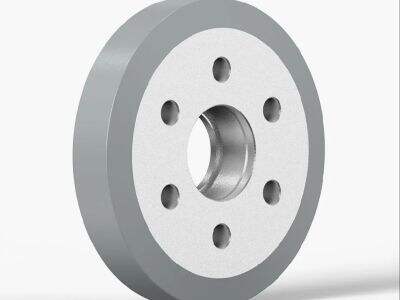
Polyurethane guide wheels are key parts in lots of machines and vehicles. They make things roll smooth, such as carts in factories or gear in warehouses. At Hanke, we work on producing good quality industrial polyurethane flanged wheels. The stuff we use is tough and last long, which matter a lot for hard tasks. When picking right materials for guide wheels, you make sure they handle big loads and stay good for long. That’s why we watch material rules closely. Learning these materials help businesses pick best wheels for what they need. 

What Common Usage Problems to Think About with Polyurethane Guide Wheels? 

When you use polyurethane guide wheels, some usual problems might show up. One is wear and tear. Over time, if wheels run on rough floors or carry heavy stuff, they wear out quicker. For instance, a wheel guiding heavy cart on bumpy ground might not last like you hope. Another problem is temperature. Polyurethane change when too hot or too cold. In heat, wheels get soft and don’t work right. In cold, they harden and crack. Also, check how wheels attach. If not fit good, they wobble or fall off. This lead to accidents or hurt equipment. In addition, the rolling surface count. If dirty or with junk, wheels stick or don’t turn proper. Regular care, like cleaning and looking for breaks, help avoid these. At Hanke, we understand these and build wheels to cut them down. Using right stuff and watching use can big change lifespan and how they work. 

Why Industrial Grade Polyurethane Make the Best Pick for Guide Wheels? 

Industrial-grade polyurethane is top choice for guide wheels for several reasons. First, it strong. So it take heavy loads without break or wear fast. Like in busy factory, these wheels support big machines or carts no issue. Second, it flexible. This help absorb shocks and bumps when moving, mean less wear on wheels and floors. It adapt to various surfaces, so machines move easy. Another plus is resist to chemicals and oils. In places like warehouses with spills, wheels don’t damage quick. They keep going in messy spots. Plus, they work in different temps, fit for hot or cold spots. Last, quieter than metal ones. This good for quiet areas, such as hospitals. At Hanke, we think high-quality industrial polyurethane give the strength, flex, and lasting for hard work. Choosing this, businesses can better their ops and keep equipment smooth long time. 

How to Make Sure Material Standards in Making Polyurethane Wheels 

When building polyurethane guide wheel parts, using right materials is key. This ensure wheels strong, safe, and perform well. At Hanke, we stick to strict rules to meet all standards. First, pick high-quality polyurethane. It a special plastic that tough and handle loads. Also resist wear, so last long. To follow standards, we test the polyurethane. Check hardness and flex. Hardness affect weight carry. Flex help adapt surfaces without break. 

Next, keep manufacturing clean and in order. Workers wear gloves and masks for safety and clean. We keep machines good so they make wheels right. If machines off, wheels come wrong and cause later problems. At Hanke, we check machines often and do upkeep to run smooth. 

Finally, record all we do. Keep notes on materials, tests, and results. Good records show we follow rules and make safe products. If wheel problem, look back to see what wrong and fix. In end, following standards help create quality flanged polyurethane wheels customers trust. 

Where to Get Good Suppliers for Polyurethane Guide Wheel Parts 

Finding right suppliers for polyurethane is important for guide wheel parts. At Hanke, we know good ones give high-quality stuff that meet standards. First step, do research. Look online for companies in polyurethane. Read reviews from others to see if they like products and service. This find suppliers known for quality. 

Another way is go to trade shows and events. Meet suppliers face to face, see products. Ask questions to understand offers. At Hanke, we go to these to connect and learn new stuff. Also, ask other businesses for tips. If know someone, ask who they use for polyurethane. This lead to trusted ones. 

Once list of possibles, contact and ask samples. Test them to check standards. At Hanke, we test samples before big orders. Check quality, lasting, and how they work for our wheels. Finally, talk terms, price, delivery. Clear talk build good ties and get materials on time. These steps help find reliable suppliers for quality guide wheel parts. 

How to Spot and Fix Usual Problems with Polyurethane Guide Wheel Parts 

Polyurethane guide wheel parts good for many jobs, but issues can pop up. At Hanke, we know how to spot and fix common ones to keep wheels good. One is wheels wear too fast. Happen if material not strong or on rough surfaces. To fix, check polyurethane type. Make sure it has right traits for conditions. If not fit, switch to tougher supplier or material. 

Another is noise when rolling. This annoy and mean something wrong with wheel or install. To solve, check alignment. If not straight, rub parts and make noise. At Hanke, assembly include alignment checks before use. If aligned but noise stay, look at surface. Rough or uneven can cause it, so suggest better surfaces. 

Finally, if polyurethane idler wheels not roll smooth, maybe dirt stuck. To handle, do regular clean and care. Clean wheels roll better and last. At Hanke, we give customers simple tips for care. By spotting issues and acting, we make sure parts work well and fit needs. 

email goToTop